

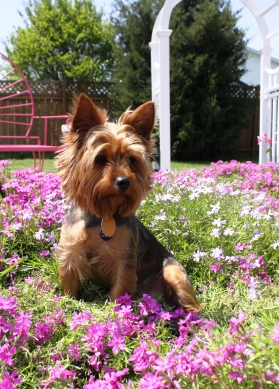
Pet-Safe Gardening
Warm weather, sunshine, fresh air and longer days. It's time to go outside and work on all those projects we thought up over the winter! The backyard can be a great place to relax and play, but it can also be dangerous for our pets. Pet owners need to take a few extra steps to make outdoor areas safe.
Poisonous Plants
Not all pet owners realize that a great many popular plants are toxic to dogs and cats. Azalea, rhododendron, oleander, foxglove, lily of the valley, sago palm, tulip and daffodil just to name a few. Pets that chew on poisonous plants can experience everything from an upset stomach to liver failure.
What if you've just moved into a new place with an existing garden? Fortunately we can consult the ASPCA's list of toxic plants. Check it out and compare the photos to plants in your yard.
Fertilizer and Insecticides
These pose a danger to dogs and cats because anything picked up on their paws could be licked while grooming later. Some insecticide are pellet-shaped and resembles kibble to your pets. Always be sure to follow instructions carefully and observe the waiting period. Store any remaining product in an inaccessible area.
Consider the many Green alternatives available to help control pests in the garden. But be cautious, some may contain natural products that may still irritate if ingested. Read the directions and safety warnings carefully.
Cocoa Mulch
Gardeners love cocoa bean mulch for its rich color, fine texture and yes, it smells like chocolate. But just like the real thing cocoa mulch, as a byproduct of chocolate manufacturing, contains the same substances as chocolate - theobromine and caffeine - that are toxic to dogs and cats. Play it safe and use less-toxic alternatives such as shredded pine, cedar or hemlock bark instead.
Compost
Going Green can be very beneficial to your garden. However, compost piles can pose a problem for pets. Dogs especially can be drawn to the odor-rific spot. The mold growing on decomposing foods as well as those coffee grounds (so good for the garden) are hazardous to your pets health. Always make sure they are fenced off or otherwise inaccessible.
Garden Tools
Something we don't automatically think of when discussing pet safety but unattended garden tools pose the same dangers (if not more) as they do to you and your family. Curious paws and noses are susceptible to cuts and also tetanus. To avoid accidental injury, be sure to keep all pruning shears, trimmers, tillers, rakes and other gardening tools picked up and stored in a safe area.